Best Natural Lip Balm Options: Effective Solutions
Natural Lip Balm Recipes for DIY Enthusiasts: Craft Your Own at Home
Creating your own DIY natural lip balm is simpler than you might think. With just a few essential ingredients, you can produce a product customized to your liking. Imagine the satisfaction of creating a balm that not only moisturizes but also reflects your personal style. If you're interested about the essential components and the process, read on to discover how simple it is to begin your lip balm journey.
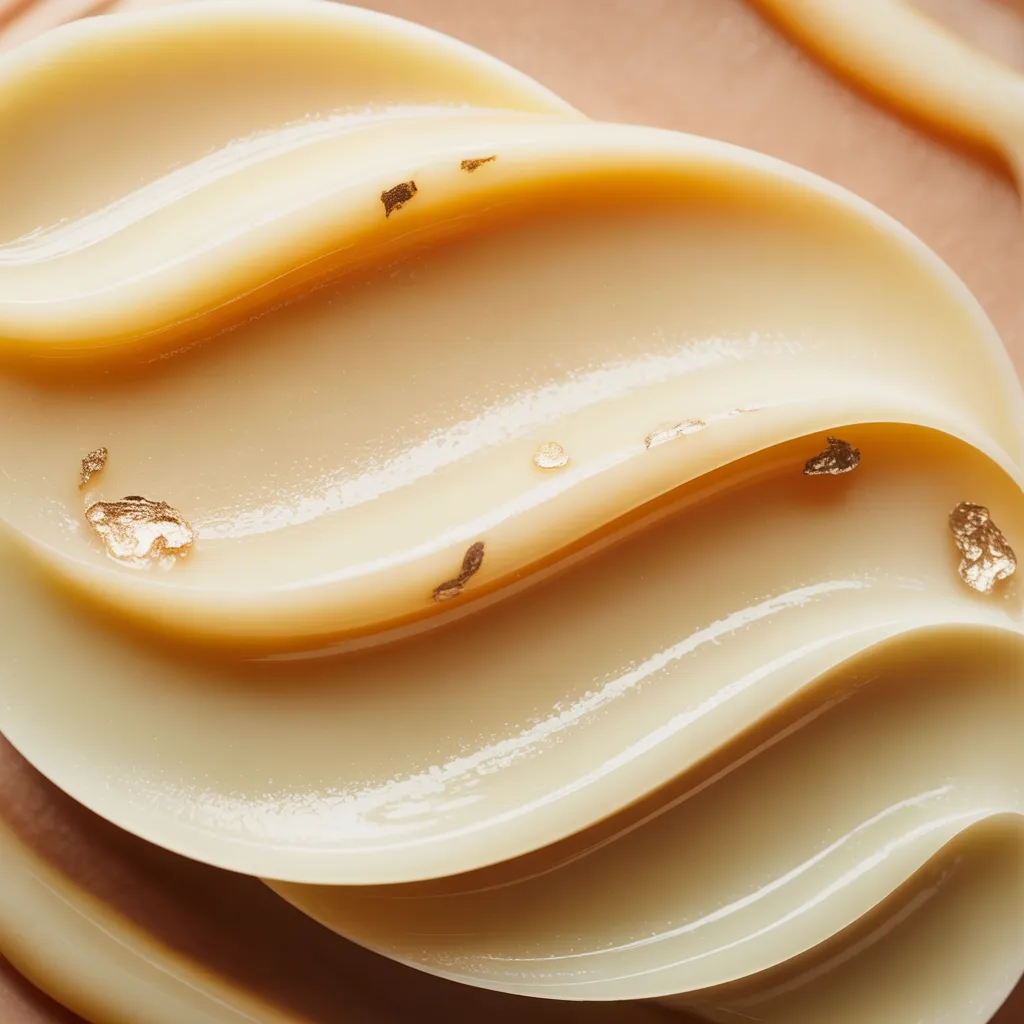
Why Choose DIY Natural Lip Balm?
By selecting DIY natural lip balm, you not only achieve control over the ingredients but also guarantee you utilize products free from harmful chemicals. You can customize your lip balm to suit your personal preferences, making sure it looks and feels just right for you. Plus, creating your own balm can be a fun and creative experience, allowing you to experiment with different flavors and textures. You might notice that it reduces expenses too, as store-bought options can be expensive. By creating your own lip balm, you additionally minimize waste from packaging, which is a modest yet significant step towards sustainability. Ultimately, DIY lip balm helps you to prioritize your health and the environment while indulging in a bit of self-care.
Important Elements for Handcrafted Natural Lip Balm
Creating your own natural lip balm means you'll should know the key ingredients that make it successful and pleasant to use. Use a base of beeswax or a plant-based alternative like candelilla wax, which provides structure and stability. Next, incorporate a copyright oil, such as coconut or sweet almond oil, to provide moisture and nourishment. For extra benefits, consider using shea butter or cocoa butter for extra hydration. Essential oils, like peppermint or lavender, can provide fragrance and soothing properties, but use them sparingly. Finally, a touch of honey or natural sweetener can enhance flavor. By choosing high-quality natural ingredients, you'll create a lip balm that's not only successful but also a joy to use.
Easy Tutorial for Crafting Your Own Lip Balm
Creating your own lip balm is a simple and fulfilling process that can be completed in just a few simple steps. First, collect your necessary ingredients: beeswax, coconut oil, and shea butter. Portion out one part beeswax, one part coconut oil, and one part shea butter. Next, liquefy these ingredients together in a double boiler over low heat, stirring until fully combined. Once liquefied, remove from heat and dispense the mixture into lip balm containers. Let it to cool and solidify, which generally takes about 30 minutes. Finally, mark your containers if you like and place them in a dry, cool place. Enjoy your homemade lip balm, knowing it's crafted with love and care!
Innovative Flavor and Scent Pairings for Your Lip Balm
Upon completing your basic lip balm, it's time to enhance it with appealing flavors and scents that represent your personality. You can mix essential oils like peppermint for a invigorating kick or vanilla for a warm, comforting aroma. For a fruity touch, try adding a few drops of lemon or orange oil. If you're feeling adventurous, incorporate some cinnamon or clove for a spicy scent. Don't forget about herbal notes—think lavender or rosemary for a soothing touch. You can also try out natural flavorings like cocoa powder for a chocolatey treat or honey for a touch of sweetness. Just remember to keep your pairings balanced, ensuring no single scent dominates the others. Enjoy creating your unique lip balm!
Tips for Customizing Your Lip Balm Recipe
While you might have a basic lip balm recipe down, customizing it can really make it your own. Kick off by testing with different copyright oils like jojoba or sweet almond oil for added nourishment. You can also adjust the beeswax amount for a harder or creamier texture, depending on your preference. To enhance the flavor, try adding essential oils such as peppermint or vanilla; just don't forget to use them sparingly. For enhanced hydration, mix in a bit of honey or shea butter. Don't forget to think about colors—adding natural colorants like beetroot powder can make your lip balm more visually appealing. Finally, keep notes on your adjustments so you can reproduce your favorite blends in the future!
Proper Storage and Preservation of Your Lip Balm
When you've tailored your lip balm to your liking, it's important to prioritize how to maintain and store it properly. Start by pouring your balm into clean, sterilized containers, like small tins or lip balm tubes. Verify the containers are airtight to avoid contamination. Place your lip balm in a dark, cool place, away from sunlight and excessive heat, which can cause it to melt or spoil. If you've used perishable components, consider keeping your balm in the fridge to prolong its shelf life. Always mark your containers with the date you prepared them, so you know when to use them by. With correct storage, you can enjoy your homemade lip balm for many months!
Typical Lip Balm Problems and How to Address Them
Even top-quality DIY lip balms can face issues, but don't worry—most problems are simple to resolve. If your balm ends up being too hard, heat it again and add some additional oil. For a balm that's too soft, try adding more beeswax. If you notice separation, it may not have cooled evenly; simply reheat and stir well before pouring into containers. A gritty texture could suggest incomplete melting of ingredients; heat it gently and mix well. Lastly, if your balm feels greasy, decrease the amount of oil in your next batch. With these easy adjustments, you'll create a creamy, nourishing lip balm that keeps your lips in great condition!
Questions and Answers
Can I Use Essential Oils in Lip Balm?
Yes, you can use essential oils in lip balm! Make certain to opt for skin-friendly oils and add them conservatively. They'll add fantastic scents and properties, improving your lip balm routine wonderfully. Enjoy experimenting!
What's the Duration of Homemade Lip Balm?
DIY lip balm commonly lasts six to twelve months, depending on the ingredients you use. House it in a dark and cool location, and always inspect for any shifts in aroma or texture before application.
Is It Suitable for Sensitive Skin?
Using it on sensitive skin is safe, particularly if you pick natural ingredients. Simply try a small amount first, and if any irritation develops, cease use. Always focus on your skin's overall health.
Is It Safe to Use Colorants in My Lip Balm?
Absolutely, colorants can be used in your lip balm. Just make sure they're skin-safe and description suitable for lip products. Natural options like mica and beetroot powder can add gorgeous colors without toxic ingredients. Have fun experimenting!
Should You Be Aware of Any Ingredient Allergies?
You'll want to take allergies into account during ingredient selection. Ingredients like beeswax, shea butter, or essential oils are common allergens that can cause reactions. Always test a small amount and consult with others if you're unsure about specific ingredients.